
Medical device design and development
Our experience.engineers.DFM expertise.rapid prototyping.test methods.manufacturing network. Your program advantage.
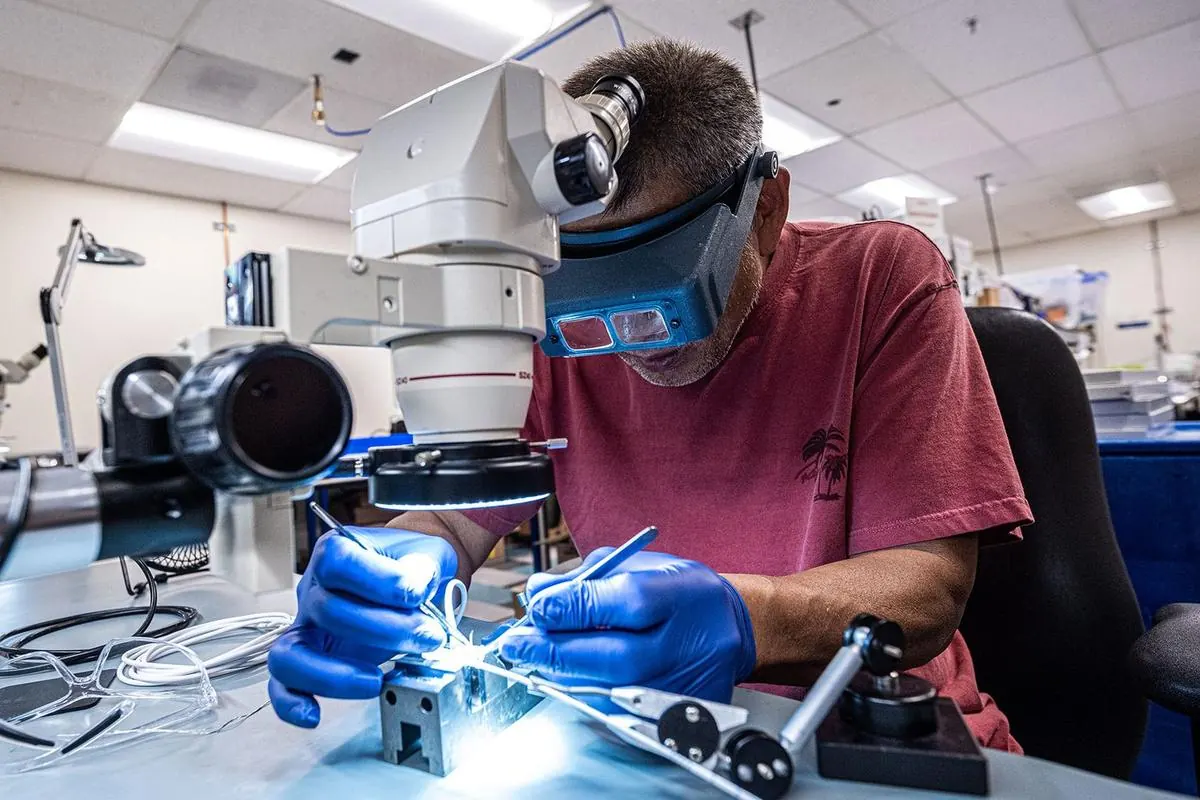
With Viant D&D, experienced and dedicated engineers develop your device alongside you, with the manufacturing expertise of a global medical device company behind your program.
Design & Development (D&D) is Viant’s product development team.
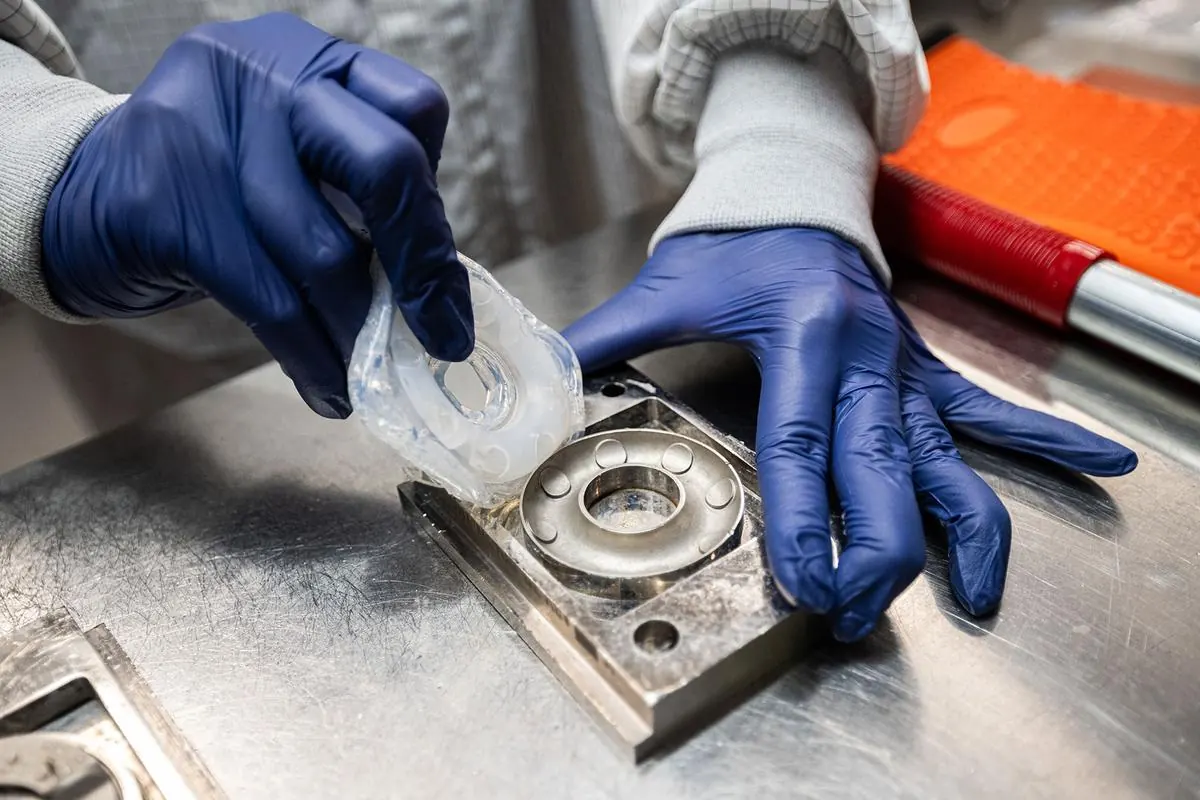
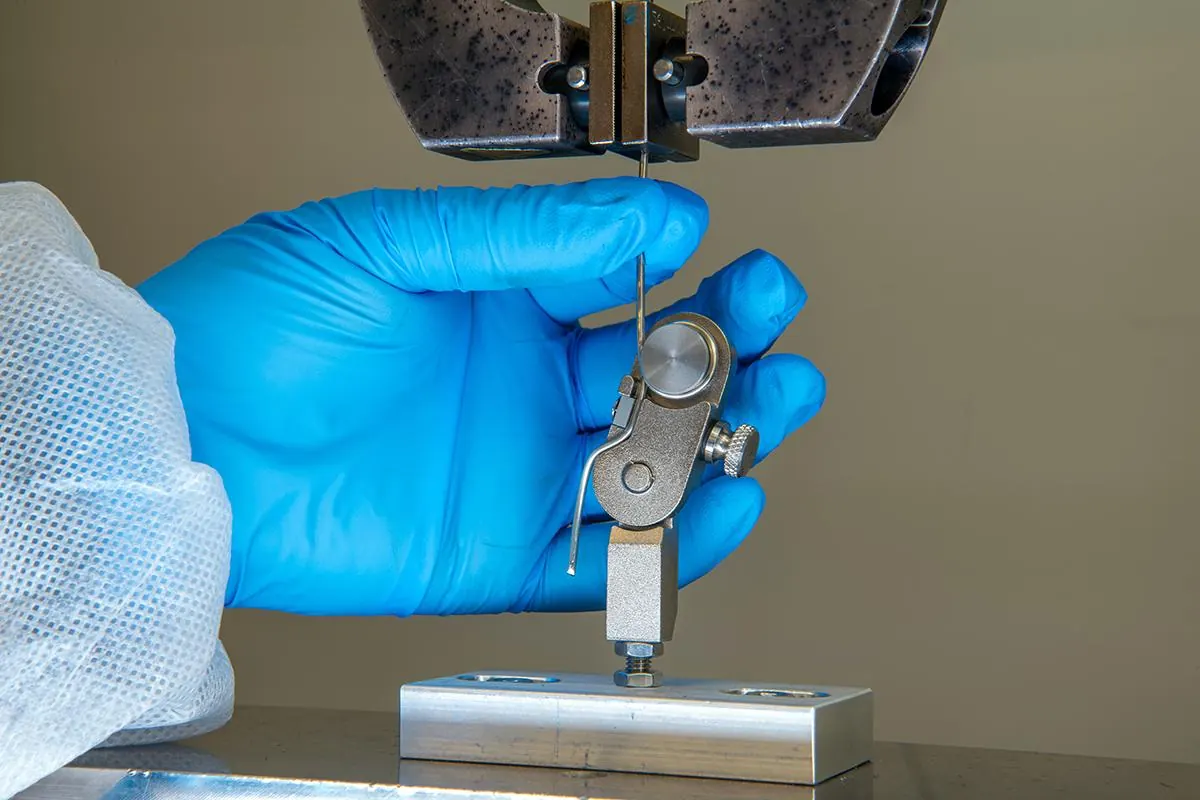
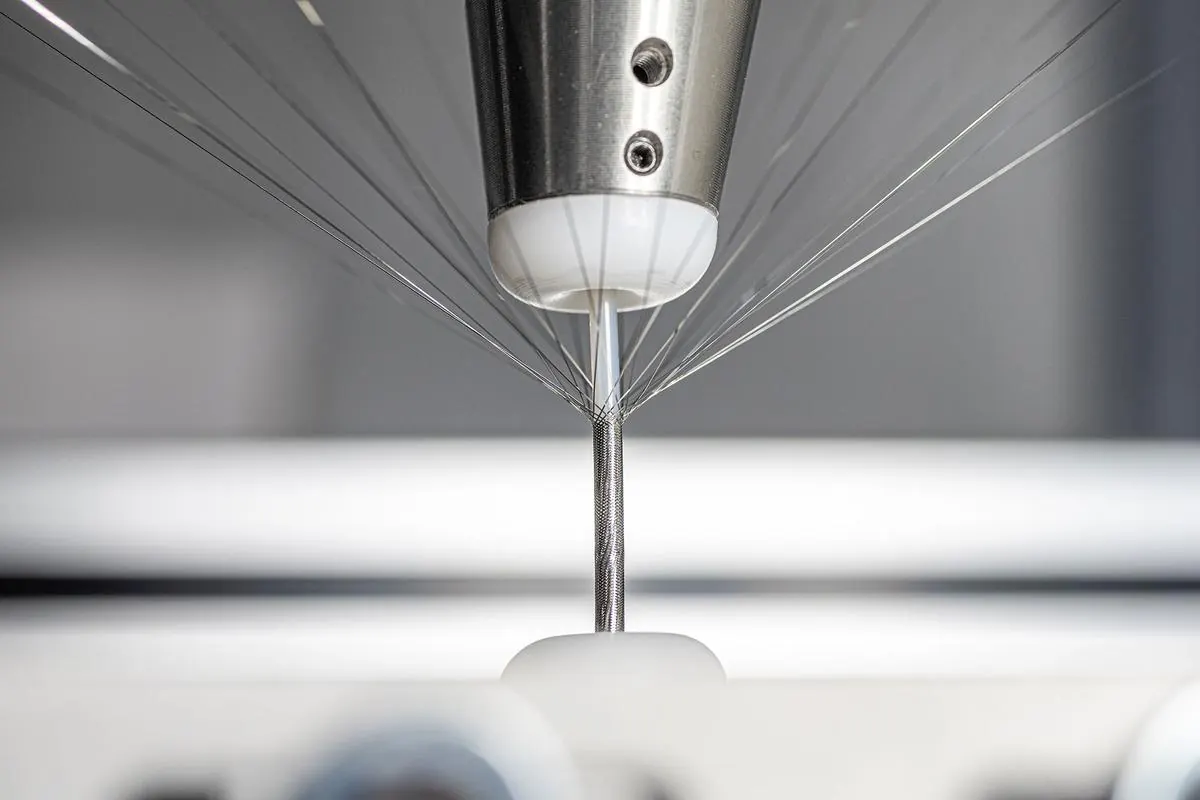



Why Viant Design & Development
Viant D&D helps you accelerate development, innovate and solve problems early.
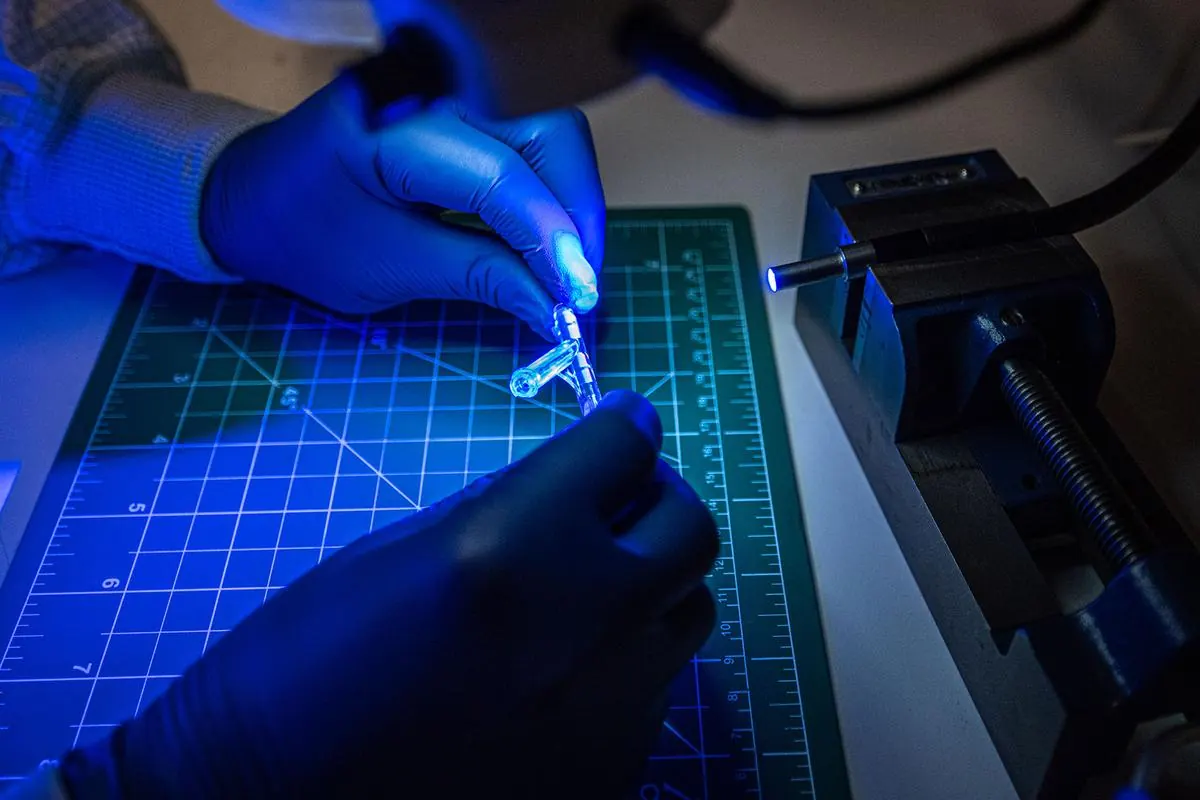
Design, prototyping, test method development and verification run under one team from the first prototype, so manufacturing and testing questions surface while the design can still change.

Medical device engineering expertise
Draw on engineers with decades of medical device development experience.
Viant D&D includes more than 100 engineers and specialists with experience at leading medical device companies.
- Team members hold patents in neuromodulation and MRI safety
- Experience spanning implants, catheters and surgical instruments
- Custom test methods developed under ISO 13485
Engagement models & IP ownership
Engage Viant D&D at any stage, with visibility into the work throughout your program.
Our engineers work directly with yours and share design concerns early, so your team can weigh them before decisions are final.
- One specialist, extra engineering hours or a full development team
- Design controls in place at program start
- Your development agreement assigns the IP, design history file and device master record to you
Design transfer & manufacturing scale-up
Develop with direct access to Viant’s 26 global manufacturing locations.
Viant D&D engineers bring in Viant’s manufacturing teams during development, so materials, tooling and process input shape the design before it reaches the production floor. When your device is ready to scale, the engineers who developed it can support the transfer.
- Transfer through ViaLaunch™ program management into Viant’s manufacturing sites
- Plastics engineers with 100+ years of combined experience in materials, mold design and process development
- Moldflow and FEA analysis
- Manufacturing operators take part in first builds
Medical device development stages
Start where your program is today
Bring Viant D&D in for a single stage, or work with the team across all five.
Viant D&D assesses concepts before a design direction is set.
What we offer
- Voice of customer and user requirements
- Product specifications
- Concept ideation
- Concept assessment
What you get
Deliverables can include documented user needs, design inputs, product specifications and an assessed concept ready for prototyping.
Case file
A battery-free wireless implant reached clinical feasibility in 2 years
A startup brought us in to help develop a millimeter-sized implant powered by ultrasound. The startup was later acquired.
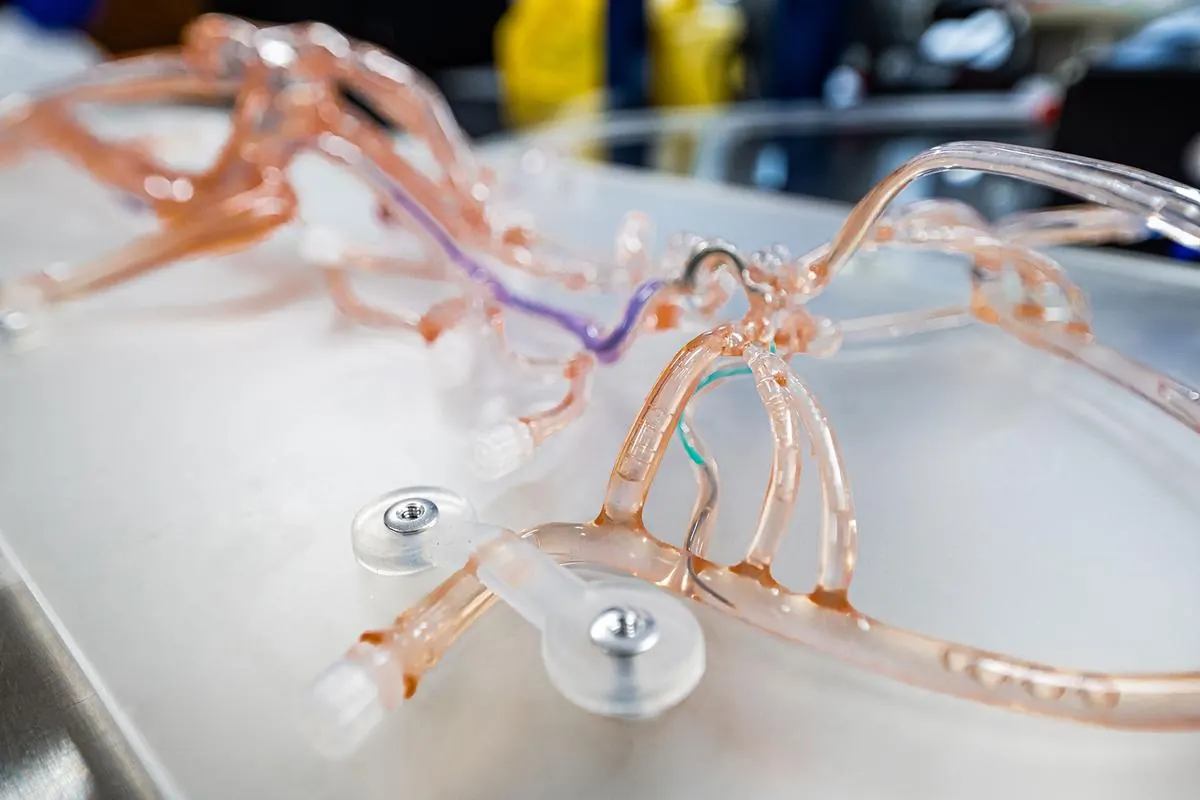
Read the capability brief →Viant D&D builds prototypes in its own labs and cleanrooms.
What we offer
- Prototype development and assembly
- Design for manufacturing and assembly (DFM, DFA)
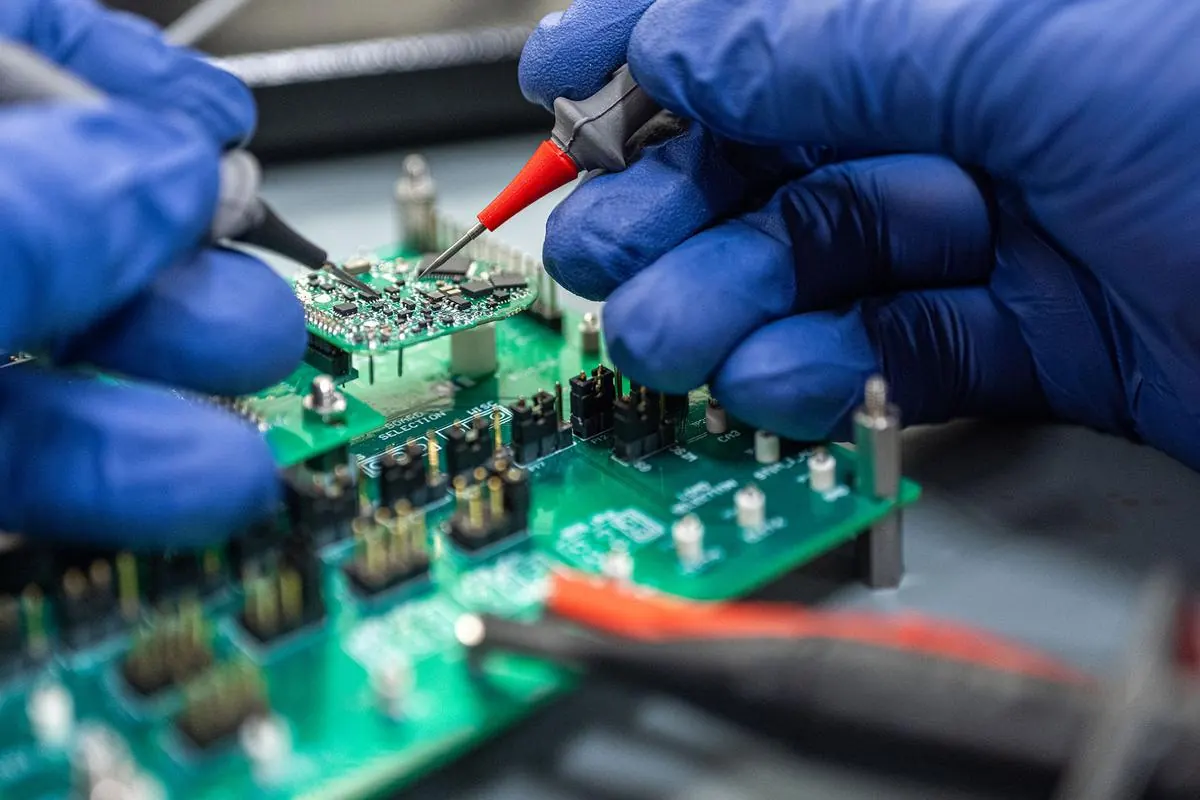
- Test method development
- Packaging design
- Full design history file (DHF) generation
- Quick-turn tubing extrusion
What you get
Your team evaluates the prototypes, and our engineers develop the test methods your design needs.
Case file
Surgical device tubing hit design freeze 3–4 months before the other parts
- A prototype every 3–4 weeks
- Test and refine
- Tubing design frozen first
A surgical technology company had to re-engineer a market-leading device to lower its cost of use. We set up a dedicated prototype line and delivered DOE tube fabrication prototypes every 3–4 weeks.
Read the case study →Viant D&D supports design verification and validation and can build units for your clinical studies.
What we offer
- Risk analysis
- Design verification testing
- Design validation
- Component and supplier qualification
- Process and sterilization validation
- Clinical, pilot and low-volume builds
- Support for regulatory submissions
What you get
Your team receives design history file documentation.
Case file
An orthopedic instrument system saved more than a year of development
- Tight tolerances
- System-level test method
- On-time, on-budget launch
System requirements drove very tight component tolerances, which made some components difficult to validate. We developed a system-level test and measurement process, and the system launched on time and on budget.
Read the case study →The team runs DFM analysis and 3P events to prepare your design and process for volume production.
What we offer
- Production preparation process (3P)
- DFM and DFA analysis and redesign
- Moldflow and FEA simulation
- Process design and development
- Assembly equipment development guided by process FMEA
- Cleanroom assembly
- Automation
What you get
A process developed for volume production, with documentation to support process validation and transfer.
Case file
Energy-device tubing kept up with a 350% jump in forecast volume
Our custom tube-straightening system cut dimensional variation by 33%, and production reached year 3 volumes in year 2.
Read the case study →Our team supports design transfer and the production ramp.
What we offer
- Design transfer and new product introduction
- Device master record (DMR)
- Production ramp
- Lean production process
- Continuous improvement program
What you get
Your device can move into production at a Viant manufacturing site, supported by a documented device master record.
Case file
We reverse engineered 35 IV set components and cut costs 15%
- No CAD files or prints
- Rebuilt from CT and laser scans
- Transferred to production
The company owned its designs but had no 3D files or 2D prints. We recreated them from CT and laser scans and took over production.
Read the case study →The engineering team
Our engineers bring decades of experience from across the medical device industry.

30+ years
Sixto Hernandez
Extrusion expert
Sixto has spent his career in medical device extrusion, including roles at Baxter and Nordson.
Ask aboutQuick-turn, multi-lumen tubing →

15+ patents
Robert S. Johnson, Ph.D.
Principal Scientist
Robert is a physicist whose US medical device patents focus on MRI safety.
Ask aboutDesigning for MRI safety →

40+ patents
Lance Boling
VP Technology
Lance has worked in medical devices for more than 35 years, at St. Jude, Abbott, NeuroPace and Nevro.
Ask aboutNeuromodulation devices and leads →

40+ years
Roger White, Ph.D.
Principal Materials Engineer
Roger, an organic chemist, worked at Bayer before joining Viant. He is an inventor on 14 US patents.
Ask aboutChoosing materials for your device →

35+ years
Gary Victor
Sr. Manager, PDE
Gary trained as a mechanical engineer and has focused his work on orthopedic devices.
Quick-turn parts
Need parts on a quick turn?
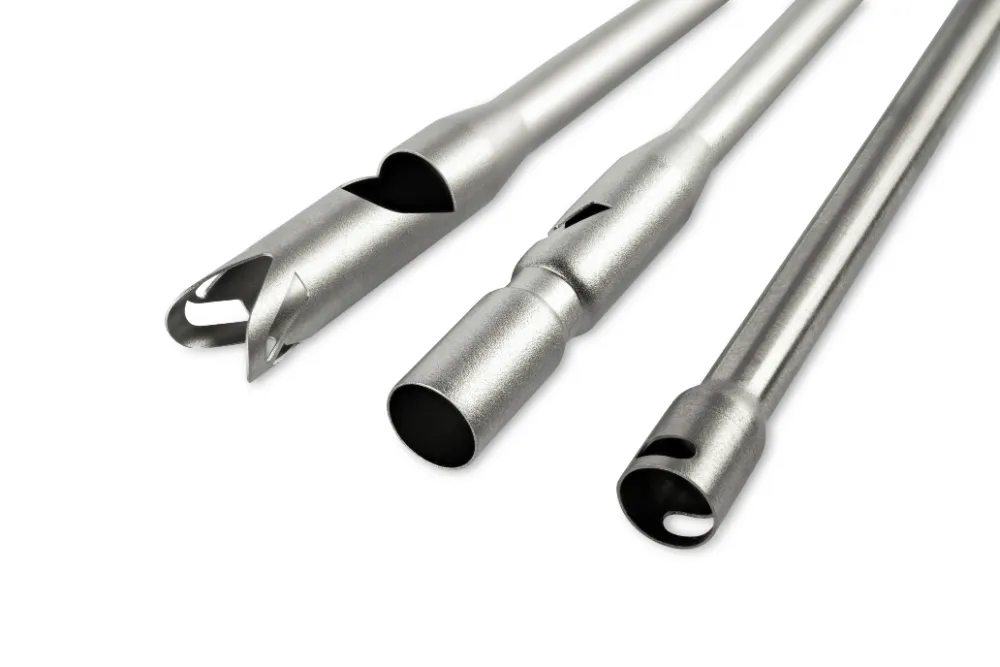
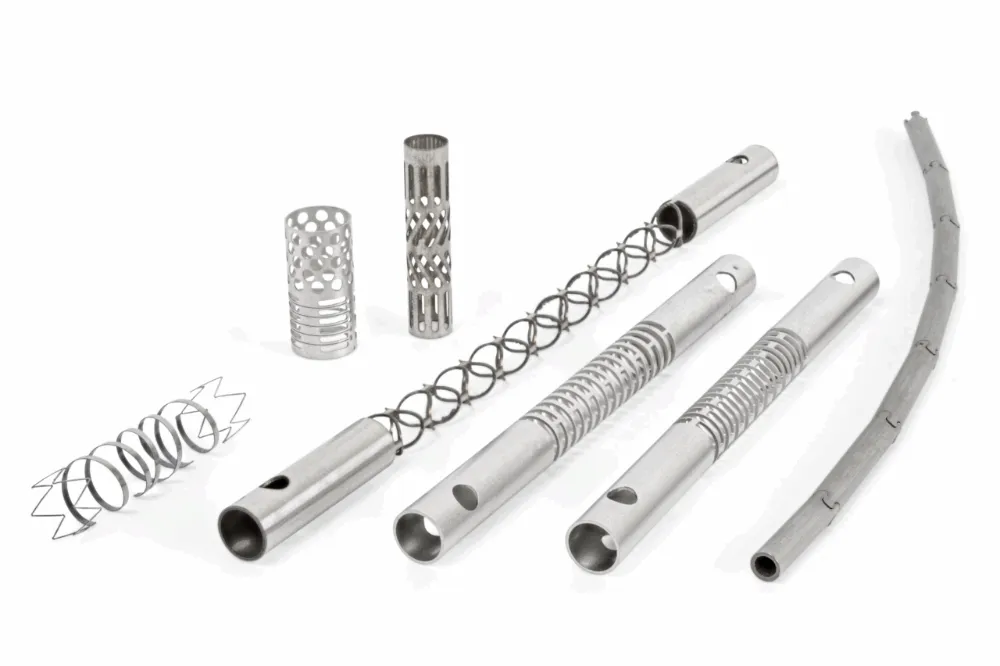
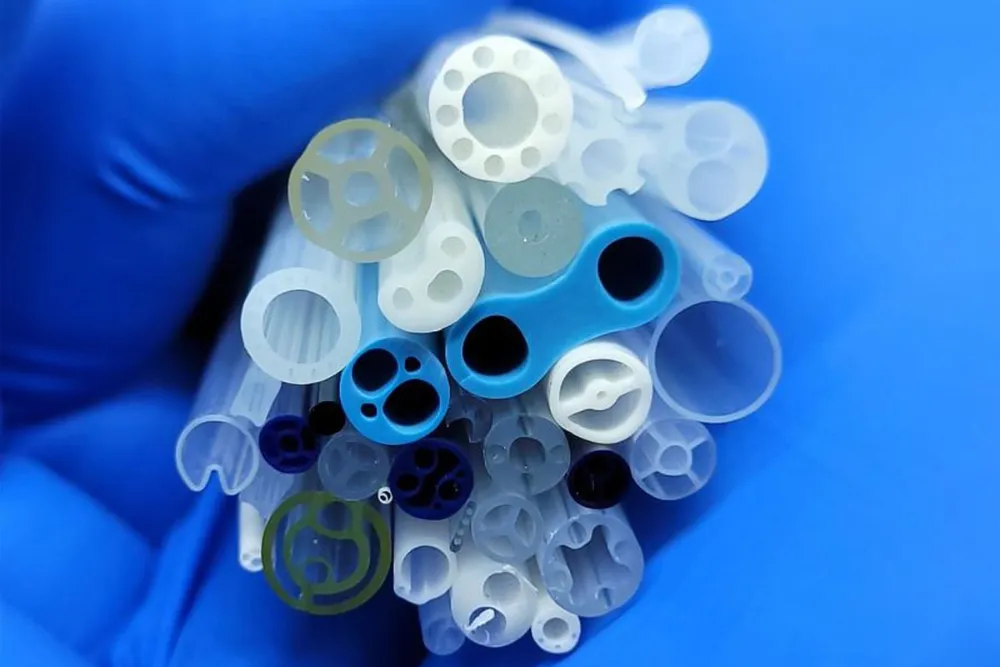
Order quick-ship nitinol tubing and small quantities of Pebax® and nylon extrusions from our store on Chamfr.
Shop on Chamfr →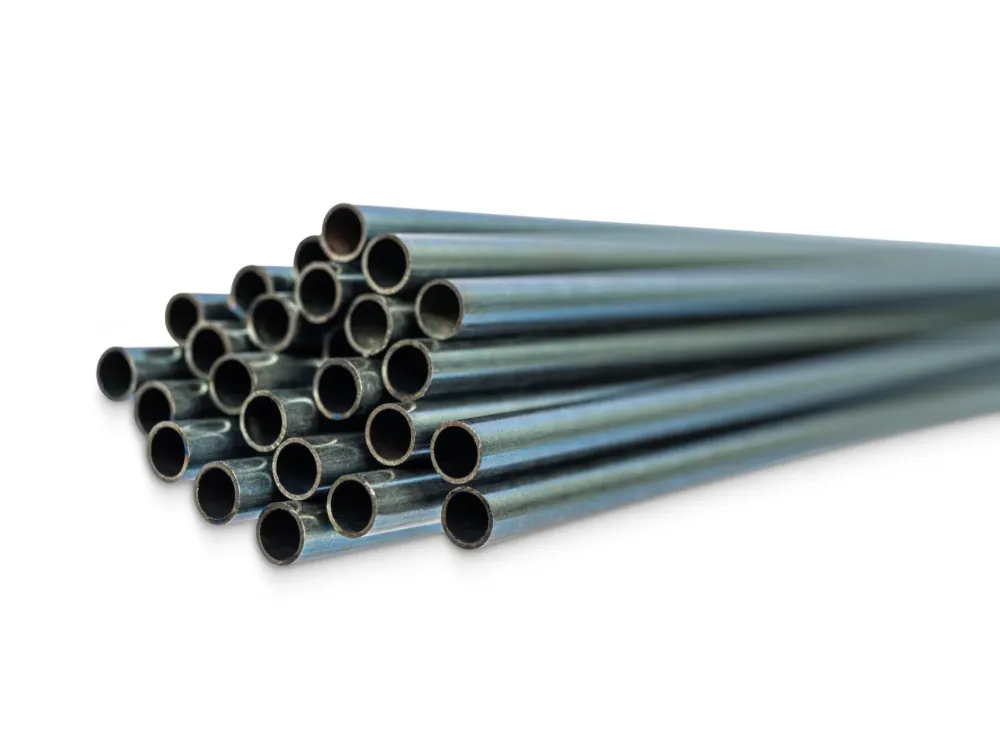
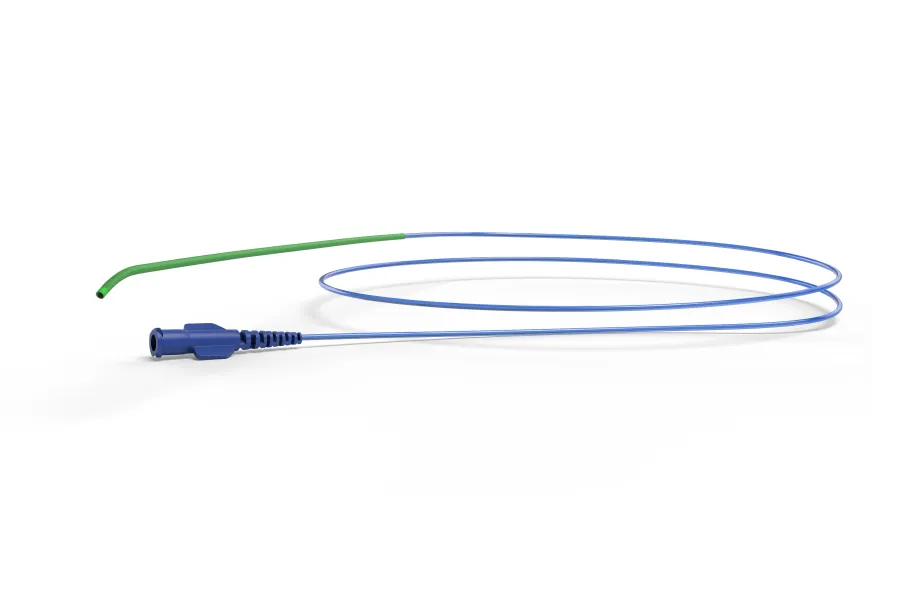
Results
See how our engineers work through a problem.
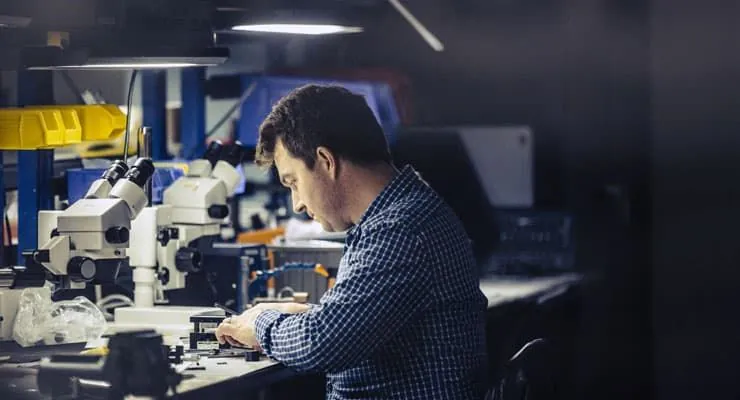
Laparoscopic scissors launched a year after a nonworking prototype.
Laser welding passed process validation the first time through.
The customer lacked the in-house bandwidth to finish product design and manufacturing on its own timeline. A dedicated team assessed the prototype and ran a process DOE (design of experiments) to specify the production laser welding system.
Case study, laparoscopic device (2019)
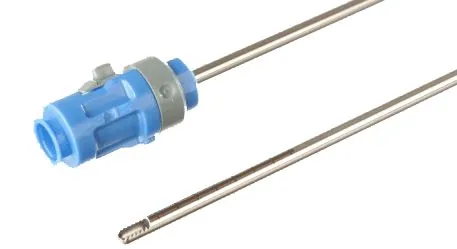
We redesigned an arthroscopic shaver and burr line across 25+ SKUs.
We stabilized a product line.
The line had inconsistent field performance, an incomplete design history file (DHF) and an unstable supply chain. We redesigned the flagship device, carried the changes across more than 25 SKUs and completed the DHF. Insourced materials, automation, Lean manufacturing and less scrap cut cost of goods sold by 80%.
Case study, arthroscopic product line (2018)
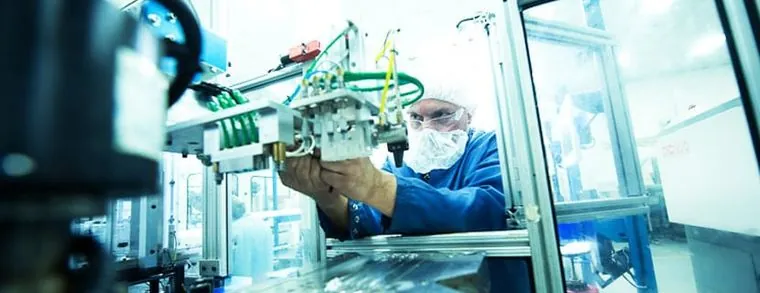
We built bridge tooling for a complex surgical device.
Running DFM alongside tool design took a serial handoff out of the schedule.
The customer needed 500 production-quality parts for a product demonstration in 6 weeks. Our team delivered all 500 in 5½ weeks.
Case study, bridge tooling (2018)
Global manufacturing capabilities
Explore manufacturing capabilities across Viant’s global sites.
During development, our engineers draw on these teams for materials, tooling and process expertise.
Clinical markets
See what Viant builds for your clinical market.

Interventional devices
Viant designs and builds advanced catheters, stents and valve systems.
Quick-turn extrusion, braiding, coiling and tipping happen in-house, close to the engineers developing your device.
Explore interventional devices →

Drug delivery
Viant takes drug delivery systems into commercial-scale production.
Automated manufacturing, sterile manufacturing and NPI transfers support each program as it grows.
Explore drug delivery →

Bioelectronics
Viant builds devices that stimulate, sense and communicate inside the body.
Programs include miniaturized implantables and connected wearables, with hermetic welding and neuro-electronic assembly in-house.
Explore bioelectronics →
Contact Viant Design & Development
Talk with a Viant D&D engineer about your device.
Share your device requirements and the challenges in front of your team, and we’ll connect you with the right engineer.
Medical device design & development FAQs
What is medical device design and development?
Medical device design and development is the work of turning user needs and clinical requirements into a device ready for manufacturing. Engineers take the device through feasibility, design, verification and validation, and design transfer. Risk management and regulatory planning guide decisions throughout. Viant’s Design & Development team supports medical device OEMs and startups through this process.
What are the stages of medical device development?
Viant groups development into five stages: concept and feasibility, prototyping, design verification and validation, scale-up and design for manufacturability, and design transfer into production. You can bring us in at any one of them or work with us through all five.
Who owns the IP and design documentation?
Under a Viant D&D development agreement, the IP and documentation created for your device, including design files, the design history file and the device master record, are assigned to you. Most custom test methods developed for your device are customer owned; some are funded and owned by Viant.
What is design transfer, and how does a design move into manufacturing?
Design transfer is the step where engineers turn a finished design into production specifications and a manufacturing process. Viant can transfer designs that are ready to scale into its own manufacturing sites and manages each one through ViaLaunch™ program management. The D&D team that developed your device can support the transfer.
Can you develop a test method when no standard one exists?
Yes. When no standard, off-the-shelf method can measure a requirement your device has to meet, our engineers develop a custom test method within Viant’s ISO 13485 quality management system.
When should design for manufacturability (DFM) start?
DFM should start with the first prototype. Viant D&D engineers apply design for manufacturing and assembly (DFM, DFA) from that point, use Moldflow and FEA simulation to check molding and part performance before tooling, and carry the work through 3P events and scale-up.
Do you work with medical device startups as well as large OEMs?
Yes, we work with companies of any size, including startups with a first device. Large OEMs bring us in for specialists or extra engineering hours. For startups, we put design controls in place at the start of the program and run low-volume builds for trials.
Where are Viant’s medical device development centers?
Viant Design & Development is one team working from two centers, in Fremont, California, and Wilmington, Massachusetts. In Fremont, the team leads early concept work, design refinement, catheter and bioelectronics programs, and tubing extrusion. In Wilmington, the team focuses on design for manufacturability, scale-up, plastics and custom test methods.